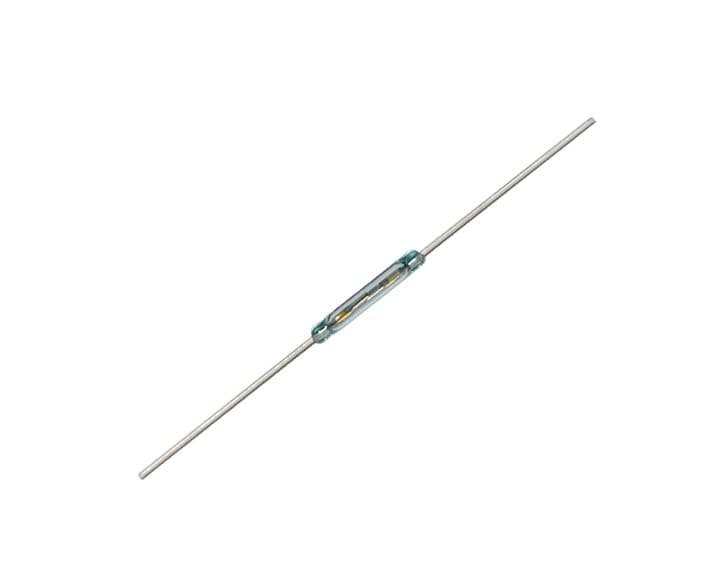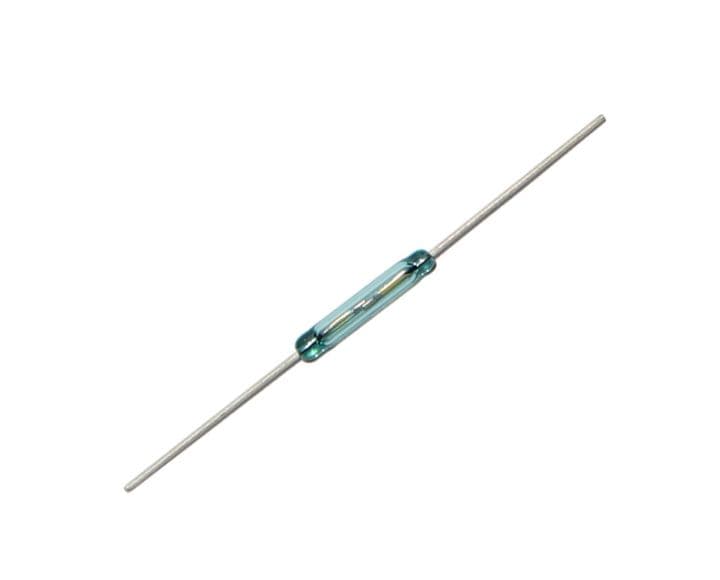
The photoionization sensor, which is composed of a UV lamp, a high-sensitivity low-noise detection circuit and a miniature ionization chamber, can detect VOC gases with an ionization energy lower than 10.6eV, and the detection range is as low as 20ppm. It can be used in various types of handheld portable and on-site fixed environmental monitoring instruments, as well as various types of analytical instruments. Photoionization sensors can be used to detect most organic volatiles and some inorganic vapors, and have extremely fast response speed and extremely high resolution. They are widely used in environmental protection, petrochemical industry, etc.
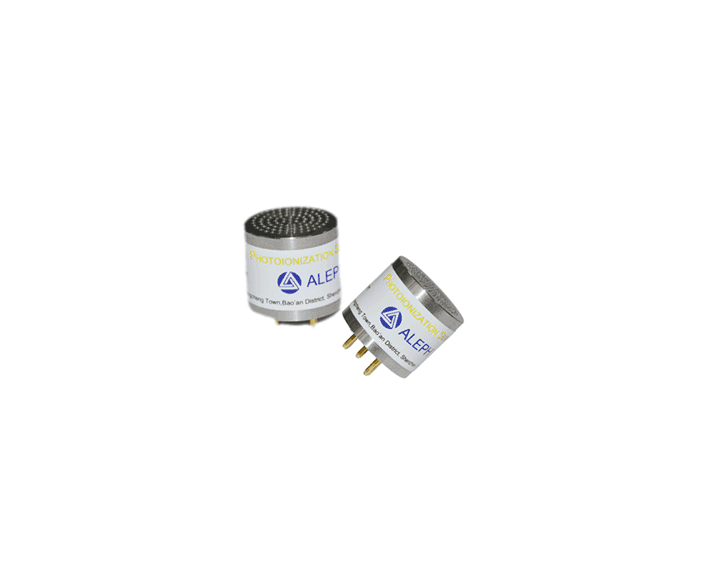
Product Introduction
Used for clear tank measurements during shutdowns in the chemical and petrochemical industries, for monitoring operations in shafts and confined spaces, for detecting leaks and for many other applications. Photoionization Detector (PID) sensors effectively detect volatile organic compounds in the ppm and ppb ranges.
Product Outline Drawing
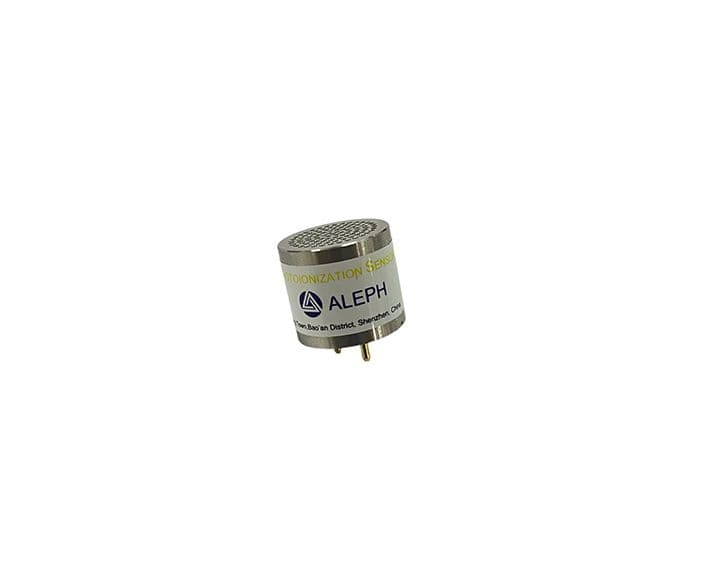
Product Parameters
Parameter Description
| |||||||||||||||||||||||||||||||||||||||||||||||||||||||||||||||||||||||||||||||||||||||||||||||||||||||||||||||||||||||||||||||||
Features
- High precision Non-destructive to the detected gas Fast response and long life Wide range of applications